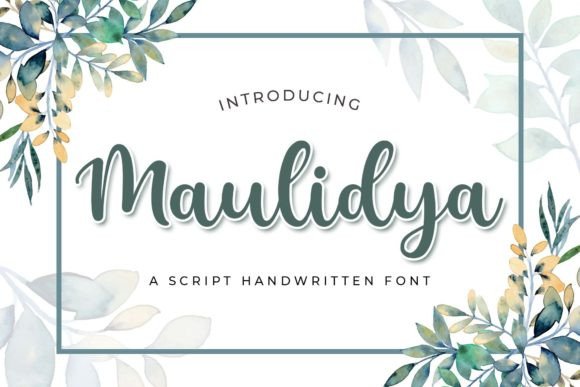
Maulidya Font: A Script Typeface for Charming Web Design
As a web designer, choosing the right font can make or break your digital project’s visual appeal and brand tone. Maulidya, an elegant script font, brings a touch of charm and sophistication to any design that needs to stand out. With its handwritten style and PUA-encoded features, Maulidya is more than just another decorative font—it’s a versatile typeface that enhances user experience while maintaining readability and aesthetic appeal.
Maulidya for Wedding Invitations and Elegant Branding
When designing wedding websites or luxury branding assets, you need a font that feels personal yet polished. Maulidya, with its flowing script and subtle variations in stroke weight, delivers a warm and inviting appearance perfect for such high-emotion projects. Whether it's the hero section of a wedding landing page or a branded logo for a boutique studio, this Script Handwritten font adds a sense of authenticity and class.
Its swashes and ligatures allow for unique typographic expressions without compromising legibility—ideal when crafting personalized messages or highlighting key brand elements. The PUA encoding makes it easy to access all glyphs and alternate characters directly from your keyboard, streamlining the design process for time-sensitive client work.
Using Maulidya in Landing Pages and Conversion-Focused Layouts
In conversion-driven environments like landing pages or course sales funnels, typography plays a crucial role in guiding the reader’s attention. Maulidya shines as a display font for headlines, taglines, and call-to-action sections where visual impact matters most. Its graceful curves and elegant structure help create a memorable first impression, which is essential for capturing interest quickly.
For example, using Maulidya on a product launch banner for a creative service can evoke a sense of trust and professionalism. Pair it with a clean sans serif body font to maintain contrast and ensure users don’t lose themselves in overly stylized text. This balance helps maintain a clear visual hierarchy while keeping the layout visually engaging.
Maulidya for Hero Sections and Logo Typography
The hero section is often the first thing visitors see, making it a prime spot for a strong typographic statement. Maulidya works exceptionally well here due to its refined look and natural rhythm. It allows designers to craft headers that feel both artistic and approachable, especially useful for lifestyle brands, creative agencies, or fashion-forward startups.
For logo design, Maulidya offers the flexibility needed to build a distinctive brand identity. Its handwritten character gives logos a human touch, ideal for businesses aiming to convey warmth, creativity, or craftsmanship. Just be sure to use it sparingly—overuse in body copy can hurt usability. Stick to short phrases or names to preserve clarity and visual harmony.
Maulidya in Blog Headers and Editorial Content
If you're working on a blog or editorial site focused on fashion, culture, or lifestyle content, Maulidya can elevate your header designs. As a Script Handwritten font, it adds a curated, artisanal flair that aligns with premium content experiences. Use it for article titles, section headers, or pull quotes to break up long blocks of text and encourage scanning behavior.
However, avoid using it for long paragraphs or body copy. Instead, save Maulidya for accents and decorative elements, and pair it with a neutral serif or sans serif font for body text. This ensures your readers stay engaged without feeling overwhelmed by too much stylistic variation.
Designing with Maulidya on Mobile and Responsive Websites
Mobile responsiveness is non-negotiable in modern web design. While Maulidya is best suited for larger display areas, it still performs admirably at smaller sizes if used thoughtfully. For mobile screens, consider limiting the number of characters per line and increasing letter spacing slightly to improve legibility.
On dark backgrounds, opt for lighter weights or apply subtle outlines to prevent the script from blending into the screen. On light backgrounds, especially minimalist ones, Maulidya stands out beautifully, creating a focal point that supports your message. When overlaying text on images, use a semi-transparent background layer or drop shadow to enhance contrast and visibility.
Maulidya for Boutique Online Stores and E-Commerce Banners
E-commerce sites, especially those selling handmade goods, fashion, or lifestyle products, benefit greatly from thoughtful typography. Maulidya can be used in banners, product tags, or promotional headlines to reflect a brand’s personality and attention to detail. Its organic feel aligns perfectly with niche online stores looking to differentiate themselves from generic platforms.
Consider using Maulidya for seasonal promotions, sale announcements, or featured product highlights. Just remember to pair it with a simple supporting font for pricing and descriptions so the information remains scannable and accessible across devices.
Practical Font Pairings with Maulidya
To maximize the effectiveness of Maulidya, it’s important to choose complementary fonts that balance its ornate nature. A popular pairing strategy involves matching a decorative script like Maulidya with a structured sans serif or serif font for body text. This combination maintains a professional tone while allowing the headline to steal the spotlight.
- Sans Serif Pairings: Use with Montserrat, Open Sans, or Lato for a modern, clean layout.
- Serif Pairings: Combine with Playfair Display or Merriweather for a more editorial or sophisticated feel.
- Monospace Fonts: Great for code-style sections or tech-related content when paired with a monospaced font like Fira Code or Inconsolata.
This font pairing approach keeps your website readable and visually appealing, ensuring your brand message comes through clearly without sacrificing style.
Commercial Licensing and Brand Asset Integration
Before integrating Maulidya into your next commercial project, always verify the licensing terms. Many script fonts are not suitable for web embedding unless they include WOFF/OTF formats or have a proper webfont license. Ensure that the font you download supports the platforms you're using—like WordPress, Shopify, or custom SaaS applications—and check for multilingual support if your audience spans multiple regions.
For digital templates, brand kits, or app interfaces, confirm whether the font includes extended alternates and different weights. These options give you more control over how Maulidya appears in various contexts—from bold hero titles to delicate signature lines in footer sections.
Maulidya in Portfolio Sites and Creative Agency Headers
Creative professionals—photographers, illustrators, and designers—often rely on typography to showcase their personality and expertise. Maulidya fits naturally into portfolio sites where elegance and individuality are key. Use it for your name, tagline, or section headers to establish a cohesive and stylish design language.
For instance, a photographer might feature Maulidya in the hero title of their portfolio homepage alongside a soft, neutral sans serif for the supporting copy. This creates a balanced, aesthetically pleasing layout that reflects the brand’s creative essence while remaining functional and easy to navigate.
Maulidya for Digital Ads and Social Media Graphics
Digital ads and social media graphics require quick readability and strong visual appeal. Maulidya excels in these scenarios when used for short, impactful phrases or brand slogans. Its Script Handwritten characteristics help add emotional resonance, making it particularly effective for campaigns targeting lifestyle, beauty, or wellness niches.
When applying Maulidya to buttons or small ad banners, focus on high-contrast color schemes and generous padding to maintain clarity. Test it across multiple devices and ad sizes to ensure it holds up under different viewing conditions. Always prioritize legibility, even in highly stylized forms.
Creating Consistent Brand Identity with Maulidya
A consistent brand identity requires more than just good visuals—it demands a strategic approach to typography. Maulidya offers a unique voice that can be consistently applied across various Fonts and design assets. From website headers to email signatures and social media posts, this font ensures your brand stays recognizable and cohesive.
Use Maulidya in conjunction with other brand elements like colors, icons, and imagery to reinforce your messaging. For example, a coaching website could use Maulidya in the hero title to convey warmth and approachability, while relying on a more formal font for testimonials and contact details.
Maintaining Readability with Decorative Script Fonts
Decorative script fonts often struggle with readability, but Maulidya has been crafted with digital audiences in mind. Its clean lines and open apertures reduce visual clutter, making it easier to read on screens compared to many other Script Handwritten fonts. Still, it’s best reserved for display text rather than dense paragraphs or form fields.
To maintain a smooth reading flow, limit the use of Maulidya to no more than one or two key sections per page. Avoid using it in menus, navigation bars, or data-heavy tables. Let it shine where it counts—on headlines, logos, and calls to action—to keep your design both beautiful and usable.
Why Choose Maulidya for Your Next Web Project
Choosing Maulidya means investing in a font that balances artistry with functionality. It’s not just about aesthetics—it’s about creating an experience that resonates with your audience. Whether you’re building a high-end fashion site, a cozy coffee shop landing page, or a personal blog, Maulidya adds a level of sophistication that elevates your overall design quality.
As a Fonts enthusiast, I appreciate how Maulidya adapts to different contexts without losing its charm. It’s a go-to choice for clients who want something fresh but not overly flashy. The accessibility of its glyphs via PUA encoding also makes it easy to integrate into design systems without the need for complex font tools or plugins.
Real-World Applications of Maulidya in UI and UX Design
UI and UX designers know that typography affects user behavior. Maulidya can subtly influence how users perceive your interface—especially in apps or websites where brand personality is central. Think of it as a silent ambassador for your brand, speaking volumes before a single word is read.
Use it in welcome screens, feature highlights, or microcopy to create a friendly and approachable tone. For SaaS platforms, consider using Maulidya in onboarding messages or marketing banners to soften the technical vibe and connect emotionally with users. Always test its performance in real-world layouts to ensure it complements the rest of your design system effectively.
Maximizing Impact with Short Phrases and Accents
One of the strengths of Maulidya lies in its ability to highlight short phrases with grace. As a Script Handwritten font, it’s perfect for taglines, quote cards, or signature lines in blogs and newsletters. These small touches can significantly enhance the perceived value of your content and increase user engagement.
When using Maulidya in buttons or badges, make sure the size and spacing are optimized for quick recognition. Consider using uppercase letters or condensed versions (if available) to fit more text into tight spaces without sacrificing style. These adjustments help maintain the font’s charm while ensuring it doesn’t become a barrier to interaction.
Final Thoughts on Integrating Maulidya into Your Workflow
Ultimately, Maulidya is a font that bridges the gap between creativity and practicality. It’s designed for web designers who understand the importance of visual storytelling and brand alignment. By leveraging its elegant script style and PUA-encoded features, you can craft compelling digital experiences that feel both professional and personable.
Whether you’re working on a personal portfolio, a corporate rebrand, or a high-converting landing page, Maulidya offers a reliable solution for adding charm to your Fonts. Its versatility makes it a valuable addition to your design toolkit—just remember to use it strategically to maintain clarity and usability across all platforms.